Engines can be either two-stroke cycle or four-stroke cycle. The complete cycle requires four piston strokes (intake, compression, power and exhaust).
Study the illustration below. In the two-stroke cycle or two-cycle engine, the intake and compression strokes and the power and exhaust strokes are combined. This condition permits the engine to produce a power stroke every two piston strokes, or every crankshaft rotation.
The actions in a cylinder can be divided into four stages, or "strokes." A stroke is the movement of the piston from the top position to the bottom position or freom the bottom position to the top position. The top position, or upper limit of piston movement, is called top dead center (TDC). The bottom position, or lower limit of piston movement, is called bottom dead center (BDC). A piston stroke or piston movement is either TDC to BDC or BDC to TDC.
The four strokes are called the intake stroke, the compression stroke, the power intake stroke and exhaust stroke. These four strokes make up the complete cycle of events in the cylinder. An engine that runs on this four-stroke cycle principle is called a four-stroke cycle engine, often shortened to four-cycle engine. The term Ott cycle is also applied to this type of engine.
Friday, March 30

Tuesday, March 27
Engine Parts
In the automobile, the engine is a source of power. It converts chemical energy of fuel into mechanical energy in the form of a rotative force to propel the qutomobile. Without the engine, the automobile will not operate; that is, it cannot move from one place to another.
The automotive engine can be divided into two major parts, the stationary parts and the moving jparts. The stationary parts are those that are fixed in a certain position. They do not move or change their position during engine operation. Moving parts are those that move or change their position during operation.
I. Engine Stationary Parts.
a. The cylinder head. The cylinder head covers the cylinders and is held to the cylinder block by bolts or nuts. It is cast from iron which is alloyed with other metals or cast from aluminum alloy. It contains the combustion chambers, water jackets on water cooled engines, cylinder head boltholes or stud holes, and the spark plug holes on gasoline engines or nozzle mounting holes on the diesel engines. It also contains some other parts such as the valve ports, valve seats, etc.
b. The cylinder head gasket. A water-tight and gas-tight seal beween the cylinder head and cylinder block is maintained through the use of a cylinder head gasket. This gasket may be in the form of a metal sheet, soft enough to be formed as required. In some cases, the cylinder head gasket is made from two thin plates of soft metals such as copper, with re-enforced asbestos filling beween. This gasket is provided with holes for the cylinder head bolts or studs and for the combustion spaces.
c. The combustion chambers. These are hollowed spaces within the cylinder head or above the pistons where the fuel charge is burned. They are made in different shapes designed to provide a more uniform and better mixture of air and fuel in order to obtain maximum combustion of the fuel.
d. The cylinder block. The cylinder block forms the main body or is referred to as the framework of the engine. It is cast from gray iron or iron alloyed with other metals like nickel and chromium or cast from aluminum. It contains the cylinders and the water jacket for the cooling water. In some types, the cylinder block also contains the valve ports, valve seats and valve mechanisms. In front are the water pump and the timing gear cover and at the rear is the bell housing or clutch housing. At the side of the block are the manifolds, fuel pump, distributor, etc.
e. The cylinders. The cylinders are cylindrical openings in the cylinder block where the pistons move up and down. They are usually provided with the cylinder liners or sleeves which are made from special types of metals, such as cast iron or steel. In some cases, the cylinders are not provided with sleeves; instead, they are parts integral with the cylinder block, and are plated with chromium to reduce wear and to lengthen their lives.
f. The crankcase. The crankcase is located at the bottom portion of the cylinder block and supports the crankshaft and camshaft by means of bearings. It contains the drilled oil passages for the lubricating oil and the oil pump.
g. The oil pan. Attached to the lower part of the crankcase is the oil pan. It encloses the lower portion of the engine and holds the lubricating oil. Without he oil pan, there is no means of storing the lubricating oil of the engine. The oil pan is provided with a drain plug to facilitate the drainage of lubricating oil when the lubricaing oil of the engine is changed
h. The manifolds. There are two kinds of manifolds used in the engine, the intake manifold and exhaust manifold.
The intake manifold provides a passage for the air-fuel mixture from the carburetor into the intake valve ports of the engine and also provides passage for the intake air for the diesel engine.
The exhaust manifold provides a passage for the burned gases coming out from the cylinders.
II. Engine Moving Parts
a. Pistons. Are the movable cylinder metal plugs. They are closed at the top and open at their bottom and are provided with grooves near their closed ends to accommodate the piston rings. They receive the force of explosion and transmit that force to the crankshaft through the connecting rod.
b. Piston rings. Are expanding ring placed in the piston grooves to provide a complete seal beween the piston and the cylinder wall. They prevent the leakage of fuel charge or explosion in the combustion chamber into the crankcase and control the lubricating oil from reaching the combustion chamber. In addition, they permit the proper lubrication of the cylinder and assist in cooling the piston.
c. Connecting rod. changes the reciprocating motion of the piston into a rotary motion. It is connected to the piston by a piston pin and to the crankshaft journal by a connecting rod cap and connecting rod bearings.
d. Crankshaft. is a cast of heat-treated alloy steel strong enough to withstand the downward thrust of the pistons cause by the force of explosion. It is provided with counterweights and drilled oil passages. The rear end is provided with a flange for the flywheel, and the front end carries the crankshaft gear of sprocket, vibration damper and fan belt pulley.
e. Flywheel. is a heavy wheel provided with a ring gear for starting and cranking. It provides for smooth rotations of the crankshaft even during non-power strokes and serves as the driving member of the clutch assembly.
f. Valves. allow the opening and closing of the ports while the engine is in operation. The inlet port has the intake valve to close it during the rest of the cycle and open it when the fuel is needed to enter the cylinder. The exhaust port has the exhaust valve to open the port when the burned gases go out from the combustion chamber.
g. Camshaft. is a straight shaft provided with cams to change rotary motion into a straight line motion. The cams of the camshaft cause the valves to open.
The automotive engine can be divided into two major parts, the stationary parts and the moving jparts. The stationary parts are those that are fixed in a certain position. They do not move or change their position during engine operation. Moving parts are those that move or change their position during operation.
I. Engine Stationary Parts.
a. The cylinder head. The cylinder head covers the cylinders and is held to the cylinder block by bolts or nuts. It is cast from iron which is alloyed with other metals or cast from aluminum alloy. It contains the combustion chambers, water jackets on water cooled engines, cylinder head boltholes or stud holes, and the spark plug holes on gasoline engines or nozzle mounting holes on the diesel engines. It also contains some other parts such as the valve ports, valve seats, etc.
b. The cylinder head gasket. A water-tight and gas-tight seal beween the cylinder head and cylinder block is maintained through the use of a cylinder head gasket. This gasket may be in the form of a metal sheet, soft enough to be formed as required. In some cases, the cylinder head gasket is made from two thin plates of soft metals such as copper, with re-enforced asbestos filling beween. This gasket is provided with holes for the cylinder head bolts or studs and for the combustion spaces.
c. The combustion chambers. These are hollowed spaces within the cylinder head or above the pistons where the fuel charge is burned. They are made in different shapes designed to provide a more uniform and better mixture of air and fuel in order to obtain maximum combustion of the fuel.
d. The cylinder block. The cylinder block forms the main body or is referred to as the framework of the engine. It is cast from gray iron or iron alloyed with other metals like nickel and chromium or cast from aluminum. It contains the cylinders and the water jacket for the cooling water. In some types, the cylinder block also contains the valve ports, valve seats and valve mechanisms. In front are the water pump and the timing gear cover and at the rear is the bell housing or clutch housing. At the side of the block are the manifolds, fuel pump, distributor, etc.
e. The cylinders. The cylinders are cylindrical openings in the cylinder block where the pistons move up and down. They are usually provided with the cylinder liners or sleeves which are made from special types of metals, such as cast iron or steel. In some cases, the cylinders are not provided with sleeves; instead, they are parts integral with the cylinder block, and are plated with chromium to reduce wear and to lengthen their lives.
f. The crankcase. The crankcase is located at the bottom portion of the cylinder block and supports the crankshaft and camshaft by means of bearings. It contains the drilled oil passages for the lubricating oil and the oil pump.
g. The oil pan. Attached to the lower part of the crankcase is the oil pan. It encloses the lower portion of the engine and holds the lubricating oil. Without he oil pan, there is no means of storing the lubricating oil of the engine. The oil pan is provided with a drain plug to facilitate the drainage of lubricating oil when the lubricaing oil of the engine is changed
h. The manifolds. There are two kinds of manifolds used in the engine, the intake manifold and exhaust manifold.
The intake manifold provides a passage for the air-fuel mixture from the carburetor into the intake valve ports of the engine and also provides passage for the intake air for the diesel engine.
The exhaust manifold provides a passage for the burned gases coming out from the cylinders.
II. Engine Moving Parts
a. Pistons. Are the movable cylinder metal plugs. They are closed at the top and open at their bottom and are provided with grooves near their closed ends to accommodate the piston rings. They receive the force of explosion and transmit that force to the crankshaft through the connecting rod.
b. Piston rings. Are expanding ring placed in the piston grooves to provide a complete seal beween the piston and the cylinder wall. They prevent the leakage of fuel charge or explosion in the combustion chamber into the crankcase and control the lubricating oil from reaching the combustion chamber. In addition, they permit the proper lubrication of the cylinder and assist in cooling the piston.
c. Connecting rod. changes the reciprocating motion of the piston into a rotary motion. It is connected to the piston by a piston pin and to the crankshaft journal by a connecting rod cap and connecting rod bearings.
d. Crankshaft. is a cast of heat-treated alloy steel strong enough to withstand the downward thrust of the pistons cause by the force of explosion. It is provided with counterweights and drilled oil passages. The rear end is provided with a flange for the flywheel, and the front end carries the crankshaft gear of sprocket, vibration damper and fan belt pulley.
e. Flywheel. is a heavy wheel provided with a ring gear for starting and cranking. It provides for smooth rotations of the crankshaft even during non-power strokes and serves as the driving member of the clutch assembly.
f. Valves. allow the opening and closing of the ports while the engine is in operation. The inlet port has the intake valve to close it during the rest of the cycle and open it when the fuel is needed to enter the cylinder. The exhaust port has the exhaust valve to open the port when the burned gases go out from the combustion chamber.
g. Camshaft. is a straight shaft provided with cams to change rotary motion into a straight line motion. The cams of the camshaft cause the valves to open.
Engine Classification
 There are two major classifications of engines: the internal and the external combustion engines. The engine that burns fuel inside its combustion chamber is called the internal combustion engine, while the engine that burns its fuel outside is called external combustion engine.
All automobile engines are of the internal combustion type, and they are also classified as follows:
According to Cylinder Arrangement
1. Vertical In-line. This is the simplest form of cylinder arrangements. The cylinders are arranged in-line in a vertical position.
2. Slanted In-line. The cylinders are still in-line but slightly slanted to one side. This car body style requires a lower engine hood. This slanted in-line design is made for stability.
3. V-Type. The main advantage of the V-type over the in-line is that the form is shorter and, therefore, needs a smaller engine room.
4. Horizontally Opposed. This engine has its cylinders arranged in two flat banks with the crankshaft between them. It provides a better mechanical balance and suited to the car with very limited space.
According to Valve Arrangement
The development of high-performance engines led to the variations in valve arrangements. The early mobile which were of the low compression designs were the F-type and L-type. Nowadays, most engines have their valves in the cylinder head, and modifications in the camshaft mountings have been introduced.
The intake and exhaust valves can be arranged in various ways in the engine cylinder head or block.
a. I-head Engine. In the I-head or overhead valve engine, the valves are in the cylinder head. In inline engines, the valves are usually in a single row.
b. V-8 Engines, I Head. The valves may be in a single row in each bank or in a double row in each bank. Either way, single camshaft operates all valves. The valve lifters, push rods, and rocker arms carry the motion from the cams to the valves.
c. L-Head Engine. In the L-head arrangement, the combustion chamber and the cylinder form an inverted L. The intake and exhaust valves are located side by side. All the valves for the engines are set in one line (except that V-8 L-head engines are in two lines). This way, a single camshaft can be used to operate all valves.)
d. V-8 Engines, L-Head. The intake and exhaust valves are arranged in two lines in the cylinder block.
e. Overhead camshafts. The I-head engine used push rods and rocket arms to operate the valves. This design is often called a push-rod engine. The push rods and rocker arms impose some inertia that affet valve action. The push rods and rocker arms flex or base slightly before they open the valve.
f. F-Head Engines. The intake valve are in a single row in the cylinder head while the exhaust are arranged in one row in the cylinder block.
Friday, March 23
Piping and Tubing
A complete refrigeration unit is composed of several parts that function to vaporize and condense the refigerant as it circulates through the system. Refrigerator parts are placed at a distance far from each other so it is necessary to have a good piping system to have the refrigerant travel. This is made possible with the use of piping that is only a hollow bar to transfer liquids and vapors from one part of the system to another.
Piping is ordinarily understood to have walls of considerable thickness, while tubing has comparatively thin walls.
Piping is ordinarily understood to have walls of considerable thickness, while tubing has comparatively thin walls.
Automotive Components
Engine. It is the power plant of the car. When fuel is burned inside the engine, the power produced drives the wheels and makes the car move.
Clutch. It connects and disconnects the power from the engine to the transmission.
Transmission. It rotates the engine torque, transmits the engine power from the clutch, and provides a means by which the driver can select the appropriate speed that will match the engine power.
Propeller Shaft. It transmits the power from the transmission to the differential at varying angles.
Differential. It enables the rear wheels to be driven at different speeds when the vehicle is making a turn.
Suspension System. It absorbs road surface irregularities and converts them into controlled vertical movements. Road shocks, impact sways and other unpleasant movement of the car are controlled by the suspension system, thereby providing a comfortable ride for the passengers.
Brake System. It stops or slows down the vehicle.
Steering System. It provides control of the car by the driver for maneuvering in the desired direction.
Electrical System. It provides electricity for the operation of the starter, ignition, lighting, signal, and other electrical accessories.
Clutch. It connects and disconnects the power from the engine to the transmission.
Transmission. It rotates the engine torque, transmits the engine power from the clutch, and provides a means by which the driver can select the appropriate speed that will match the engine power.
Propeller Shaft. It transmits the power from the transmission to the differential at varying angles.
Differential. It enables the rear wheels to be driven at different speeds when the vehicle is making a turn.
Suspension System. It absorbs road surface irregularities and converts them into controlled vertical movements. Road shocks, impact sways and other unpleasant movement of the car are controlled by the suspension system, thereby providing a comfortable ride for the passengers.
Brake System. It stops or slows down the vehicle.
Steering System. It provides control of the car by the driver for maneuvering in the desired direction.
Electrical System. It provides electricity for the operation of the starter, ignition, lighting, signal, and other electrical accessories.
Canning

Canning is the method of preserving food which combines the techniques of heating, to kill spilage microorganisms and inactivate enzymes, with sealing in an airtight container to prevent subsequent contamination. Food products are heated to expel air then sealed in containers of glass or plated stell, heated or sterilized, and cooled. The sesuling product is altered in flavor and texture from that of the raw material. Nevertheless it is preserved so that it can be stored for several years at room temperature.
There are three methods commonly used in canning, the open kettle method, the cold pack method, and the hot pack method.
Heating or Cooking

Cooking can preserve nearly all types of food for a considerable period of time. Raw foods deteriorate through the action of the enzymes they contain and the action of bacteria with which they become contaminated. Heating or cooking destroys or inactivates these enzymes, thus preventing deterioration. Cooking also destroys certain microorganisms that cause spilage. In the home, cooking is used as a perservation method as well as a method to make food more palatable. However the use of cooking or heating to preserve food is not as long lasting as the other methods in that ordinary cooking does not destroy all bacteria. Deterioration, although delayed, will occur through the growth of surviving bacteria.
Thursday, March 22
Soldering Irons

It is important to choose a suitable soldering iron because it will be your frequently used tool in electronics. The most suitable rating for electronic work is between 15 and 30 watts. Irons with high-tip temperatures can bring about damaged components and poor joints. Choose an iron which is comfortable and light to hold. The length should also be adequate, about 1.5 to 2 meters.
Soldering Techniques
Soldering is the process of joining metallic surfaces with a metal or metallic alloy. The most commonly used soldering lead is an alloy of tin and lead.
It is of prime importance to have good quality soldered joints in the assembling of electronic projects and circuits. The beginner, particularly, must learn to solder correctly to achieve satisfaction and success.
Components are supported by a variety of methods, and connections rely on the soldered joint. The solder is not meant to provide mechanical support.
Solder. Solder is an alloy of tin and lead that melts at a low temperature. Soldering creates a continuous intimate contact between the solder and the metal surfaces. A good joint should be made electrically connected and mechanincally sound.
Solder for electronics work is made up of different gauges. Most have a resin core along their length. This resin acts as a flux to remove any oxidized or tarnished metal surface that prevents positive adhesion of lead, resulting in a poor joint. It is ipportant to heat thoroughly the activated resin during soldering to ensure the complete decomposition of the activators: otherwise, they remain corrosive at normal temperature.
It is of prime importance to have good quality soldered joints in the assembling of electronic projects and circuits. The beginner, particularly, must learn to solder correctly to achieve satisfaction and success.
Components are supported by a variety of methods, and connections rely on the soldered joint. The solder is not meant to provide mechanical support.
Solder. Solder is an alloy of tin and lead that melts at a low temperature. Soldering creates a continuous intimate contact between the solder and the metal surfaces. A good joint should be made electrically connected and mechanincally sound.
Solder for electronics work is made up of different gauges. Most have a resin core along their length. This resin acts as a flux to remove any oxidized or tarnished metal surface that prevents positive adhesion of lead, resulting in a poor joint. It is ipportant to heat thoroughly the activated resin during soldering to ensure the complete decomposition of the activators: otherwise, they remain corrosive at normal temperature.
How to make a PCB

There are two methods of making your printed circuit board. One is the use of a positive resist chemical and by simply masking the pattern where the copper tracks are meant to be. Tracks could be drawn directly on the tape. Using a paper cutter, remove the excess tape to expose the wash away surfaces.
Etching. The two suitable etchants are ferric chloride and ammonium sulfate.
When ferric chloride is used, an ideal etching method for one or two circuit boards is as follows: Use a small shallow plastic or Styrofoam tray. Place the circuit board with the pattern side up and pour the etching solution just enough to submerge the boards. Constant agitation is essential; brush off the surface periodically to remove washed copper surface. A fresh solution should etch completely in ten to twenty minutes. Used solution will etch extremely slowly, especially when cold. Scrub the laminate thoroughly with a cleanser, using a new scrubbing pad to have a clean, shiny, oil-free surface for better adhesion of the solder.
Safety Precautions
1. Exercise caution when using all chemicals. Avoid spilling or splashing the etchant. If any is spilled or splashed, immediately wash the affected areas with water.
2. When etching is completed, wash the laminate by using running water; then, strip off the masking tape.
3. Do not use metal trays as the solution is highly corrosive. Wear appropriate protective clothing. The chemical will permanently stain your clothes. On no account should you use for preparing or eating food any utensils which have been used with chmicals. For good results, practice good housekeeping.
Food Preservation

Is the application or techniques to prevent or minimize undesirable changes in food. Spoilage, no matter what form it takes, is minimized and sometimes prevented through food preservation. Large portions of fruits, vegetables, fish, and other food items which would otherwise go to waste are stored for future consumption.
Food preservation assures the consumers of a supply of food even when they are out of season. Surplus of preserved food may be sold to augment family income. From the nutrition viewpoint, food preservation is essential in improving the general health of the family by supplying it with a varied and balanced diet even when some food items, especially fruits and vegetables, are out of season. Nutritional inadequacy, a problem of our country because of the increasing population and lack of food supply, is lessened through the year-round availability of the necessary nutrients in preserved food.
There are several methods employed in food preservation. Foodk can be preserved by heating or cooking, canning, pasteurization, drying, use of chemical additives, refrigeration, fermentation, and sugar preservation.
Food preservation assures the consumers of a supply of food even when they are out of season. Surplus of preserved food may be sold to augment family income. From the nutrition viewpoint, food preservation is essential in improving the general health of the family by supplying it with a varied and balanced diet even when some food items, especially fruits and vegetables, are out of season. Nutritional inadequacy, a problem of our country because of the increasing population and lack of food supply, is lessened through the year-round availability of the necessary nutrients in preserved food.
There are several methods employed in food preservation. Foodk can be preserved by heating or cooking, canning, pasteurization, drying, use of chemical additives, refrigeration, fermentation, and sugar preservation.
Uses of Tools and Equipment

Many tools you have studied in Industrial Arts wil also be used in Automotive. Refer to them for their specific uses. These are the pliers, hammers, chisels hacksaws, piles, and others.
Wrenches. A variety of wrenches are used in the automotive shop. To work on both local and imported cars, you will need two sets of wrenches. Most cars made in limited states use bolts that have heads which are measured in fractions of an inch. Some cars use metric nuts and bolts. Few types of wrenches are Open-end, Box, Combination of open-end and box, Socket, Torque, Allen, and Adjustable Wrench.
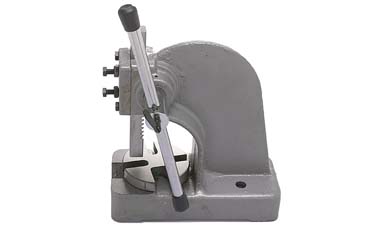
Arbor Presses. A high steady pressure is needed for many automotive service jobs, such as installing bearings or bushings, pressuring pulleys on or off shaft, and so on. for relatively light pressure, a hand-operated arbor press can be used.
Air Compressor. The air compressor is one of the common shop power tools and equipment. It is used to provide air for the services areas on a large automotive repair center. Some examples of equipments which require air are Air tools, Air hoses, Air powered shop equipment.
Hydraulic Equipment and Tools. Some of the common hydraulic tools and equipment are Hand jack, Hydraulic floor jack, and Hydraulic Press.
Electrically Powered Tools and Equipment. Electrically powered shop equipment include drills, grinders, drill presses, lathes, valves and valves-seat grinders, engine-cylinder hones and boring bars.
Measuring Tools. The first step in most automotive service jobs is to make a measurement. Sometimes this means measuring engine compression or alter motor output. Most often, however, it means measuring length or diameter. The tools that are commonly used in most automotive service shop for measurement are Ruler, Feeler gauges, Steeped feeler gauges, Wire feeler gauges, and Micrometer.
Wrenches. A variety of wrenches are used in the automotive shop. To work on both local and imported cars, you will need two sets of wrenches. Most cars made in limited states use bolts that have heads which are measured in fractions of an inch. Some cars use metric nuts and bolts. Few types of wrenches are Open-end, Box, Combination of open-end and box, Socket, Torque, Allen, and Adjustable Wrench.

Arbor Presses. A high steady pressure is needed for many automotive service jobs, such as installing bearings or bushings, pressuring pulleys on or off shaft, and so on. for relatively light pressure, a hand-operated arbor press can be used.
Air Compressor. The air compressor is one of the common shop power tools and equipment. It is used to provide air for the services areas on a large automotive repair center. Some examples of equipments which require air are Air tools, Air hoses, Air powered shop equipment.
Hydraulic Equipment and Tools. Some of the common hydraulic tools and equipment are Hand jack, Hydraulic floor jack, and Hydraulic Press.
Electrically Powered Tools and Equipment. Electrically powered shop equipment include drills, grinders, drill presses, lathes, valves and valves-seat grinders, engine-cylinder hones and boring bars.
Measuring Tools. The first step in most automotive service jobs is to make a measurement. Sometimes this means measuring engine compression or alter motor output. Most often, however, it means measuring length or diameter. The tools that are commonly used in most automotive service shop for measurement are Ruler, Feeler gauges, Steeped feeler gauges, Wire feeler gauges, and Micrometer.
Tools and Equipment

There are two main types of automotive tools used in the shop. One type is called "hand tools" because the hands are used to operate them. The pliers are a good example of a hand tool. The other type is called "machine tool ore power tools." Electricity, compressed air or dydraulic pressure supplies the power for these tools. An example of machine tool that is electrically powered is the valve grinder. The valve grinder has an electric motor that spins a grinding wheel. Tools using compressed air for power are called pneumatic tools. Pneumatic pertains to air. The air wrench, used to remove and replace axle-flange nuts, is an example.
Wednesday, March 21
Shop Safety Practices

Shopwork is varied and interesting. The shop is the place where you will learn how to do all sorts of automotive jobs.
Before you work in the shop, you should know about safety. Safety in the shop means protecting yourself and your fellow mechanics from possible danger and injury. This post describes the rules you should follow in the shop to protect yourself from harm. Remember that when everybody obeys the rules, the shop is a much safer place to work in than your home. More people are hurt in the home than in the shop.
Many shops have many warning signs posted around the machinery. These signs are there to remind you about safety and how to use machines safety. Follow the posted instructions at all times. The most common cause of accidents in the shop is failure to follow instructions.
To keep accidents from happening, obey the following simple rules.
1. Work quietly and give the job your full attention.
2. Keep your tools and equipment under control.
3. Keep jack handles out of the way. Stand creepers against the wall when they are not in use.
4. Never indulge in horseplay or other foolish activities. You might cause someone to get seriously hurt.
5. Do not put sharp objects, such as screwdrivers in your pocket. you could cut yourself or get stabbed or you could ruin the upholstery of the car.
6. Make sure your clothes are right for the job. Dangling sleeves or ties can get caught in machines and cause serious injuries. Do not wear sandals or open-toed shoes. Wear full leather shoes with nonskid rubber heels and soles. Steel-toed safety shoes are best for shop work. Keep long hair out of machines by wearing a cap.
7. If you spill oil, grease or any liquid on the floor, clean it up sothat no one will slip and fall.
8. Never use compressed air to blow dirt from your clothes. Never point a compressed air hose at another person. Flying particles could harm the eyes.
9. Always wear goggles or a face shield when there are particles about. Always wear an eye protector when using a grinding wheel, likewise, when you are working with chemicals, such as solvents. If you get a chemical in your eyes, wash them with water at once.
10. Watch out for sparks flying from a grinding wheel or welding equipment. The sparks can set your clothes on fire.
11. When using a car jack, make sure it is centered so that it will not slip, and never never jack up a car while someone is working under it. People have been killed when the jack slipped and the car fell on them. Always use a car stand or support properly placed when going under a car.
12. Always use the right tool for the job. The wrong tool could damage the part being worked on and could cause you harm.
13. Never run an engine in a closed garage that does not have a ventilating system. The exhaust gases contain cabon monoxide. Carbon monoxide garage, enough carbon monoxide to kill you can accumulate in only three minutes.
Before you work in the shop, you should know about safety. Safety in the shop means protecting yourself and your fellow mechanics from possible danger and injury. This post describes the rules you should follow in the shop to protect yourself from harm. Remember that when everybody obeys the rules, the shop is a much safer place to work in than your home. More people are hurt in the home than in the shop.
Many shops have many warning signs posted around the machinery. These signs are there to remind you about safety and how to use machines safety. Follow the posted instructions at all times. The most common cause of accidents in the shop is failure to follow instructions.
To keep accidents from happening, obey the following simple rules.
1. Work quietly and give the job your full attention.
2. Keep your tools and equipment under control.
3. Keep jack handles out of the way. Stand creepers against the wall when they are not in use.
4. Never indulge in horseplay or other foolish activities. You might cause someone to get seriously hurt.
5. Do not put sharp objects, such as screwdrivers in your pocket. you could cut yourself or get stabbed or you could ruin the upholstery of the car.
6. Make sure your clothes are right for the job. Dangling sleeves or ties can get caught in machines and cause serious injuries. Do not wear sandals or open-toed shoes. Wear full leather shoes with nonskid rubber heels and soles. Steel-toed safety shoes are best for shop work. Keep long hair out of machines by wearing a cap.
7. If you spill oil, grease or any liquid on the floor, clean it up sothat no one will slip and fall.
8. Never use compressed air to blow dirt from your clothes. Never point a compressed air hose at another person. Flying particles could harm the eyes.
9. Always wear goggles or a face shield when there are particles about. Always wear an eye protector when using a grinding wheel, likewise, when you are working with chemicals, such as solvents. If you get a chemical in your eyes, wash them with water at once.
10. Watch out for sparks flying from a grinding wheel or welding equipment. The sparks can set your clothes on fire.
11. When using a car jack, make sure it is centered so that it will not slip, and never never jack up a car while someone is working under it. People have been killed when the jack slipped and the car fell on them. Always use a car stand or support properly placed when going under a car.
12. Always use the right tool for the job. The wrong tool could damage the part being worked on and could cause you harm.
13. Never run an engine in a closed garage that does not have a ventilating system. The exhaust gases contain cabon monoxide. Carbon monoxide garage, enough carbon monoxide to kill you can accumulate in only three minutes.
Subscribe to:
Posts (Atom)